Advanced Boating Courses in Canada: SVOP, SDV-BS, and ROC-M Explained
If you operate a vessel commercially or work on the water in Canada, you may be required to complete advanced marine training.
These courses go beyond recreational boating and are designed for professional, regulated environments.
This document explains the three most common advanced certifications required in Canada:
Small Vessel Operator Proficiency (SVOP), Small Domestic Vessel – Basic Safety (SDV-BS), and Restricted Operator Certificate – Maritime (ROC-M).
What Are Advanced Boating Courses?
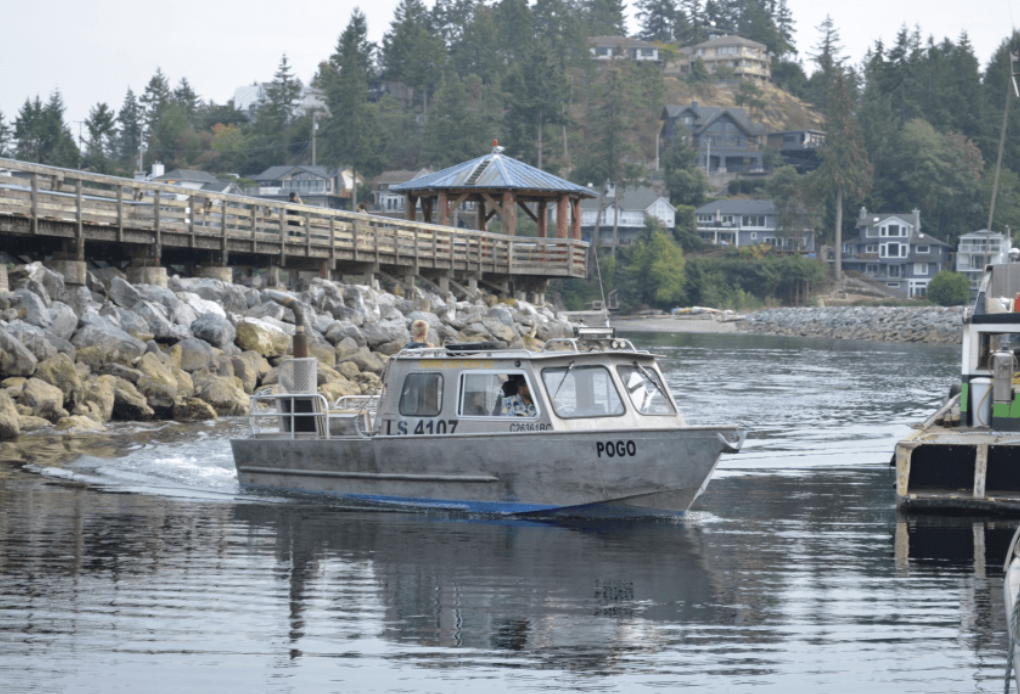
Advanced boating courses are required for individuals who operate vessels for work, carry passengers for hire, or are employed in marine-related roles. These courses are regulated or recognized by Transport Canada and other federal authorities and are mandatory when applicable.
Small Vessel Operator Proficiency (SVOP)
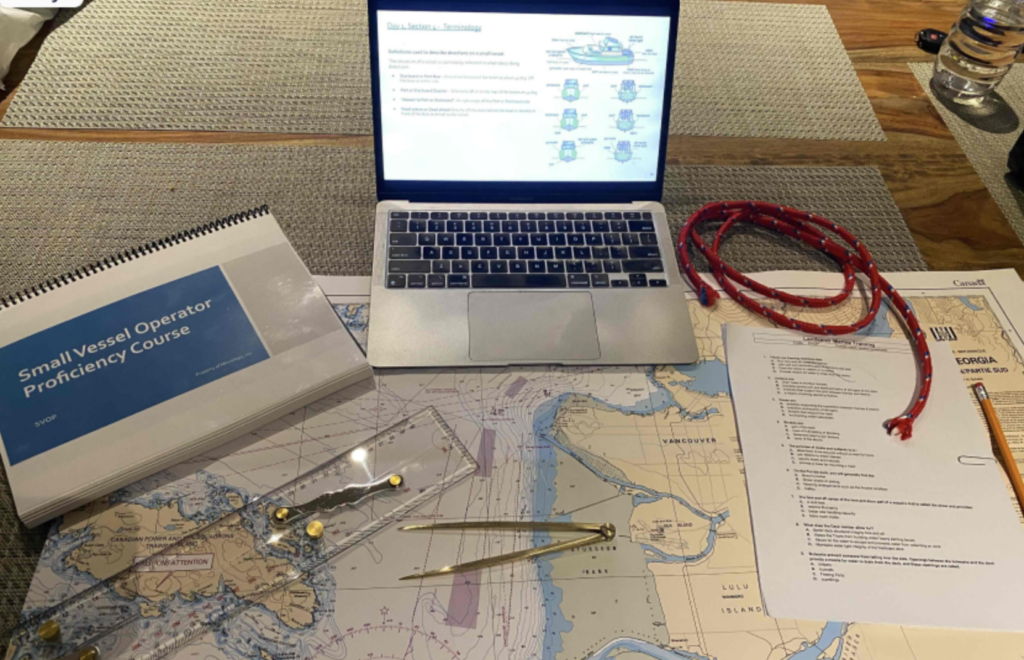
SVOP is required for individuals operating small commercial vessels, up to 5 gross tonnage engaged on a near coastal, class 2 or a sheltered waters voyage, and for fishing vessels up to 15 gross tonnage or 12 metres overall length. This can include Whale Watching Boats, Fishing Guide Boats, Charters, Workboats, Water Taxis, Rescue Boats, Fishing Vessels, and more.
SVOP training covers navigation rules, vessel handling, weather awareness, emergency procedures, and the legal responsibilities of commercial operators.
For more information on your SVOP Course, please contact Lands End Marine Training at LandsEndBC.ca.
Small Domestic Vessel – Basic Safety (SDV-BS)
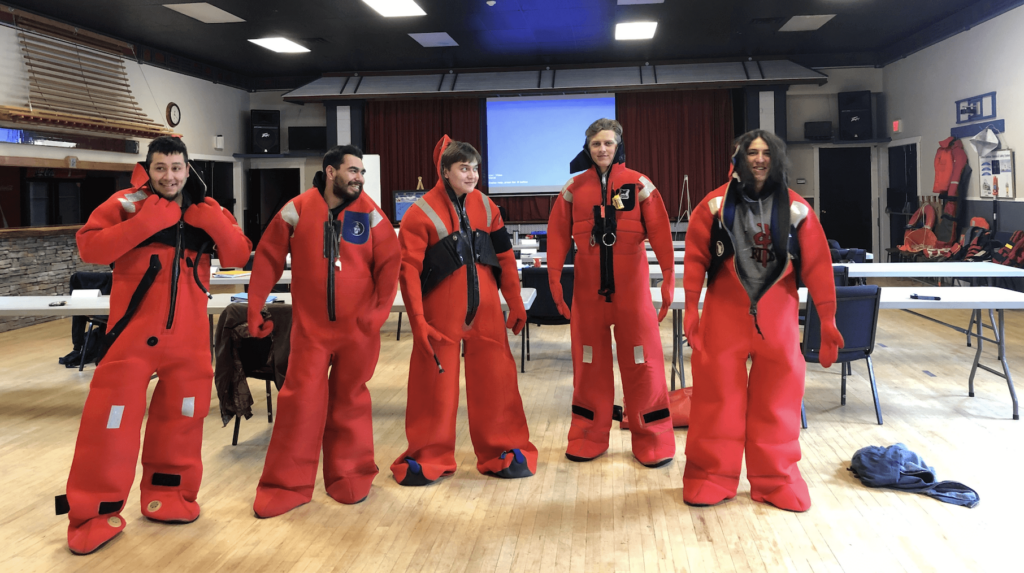
SDV-BS focuses on emergency preparedness and onboard safety for commercial vessels.
This course is commonly required for:
– Commercial vessel crew members
– Operators subject to Transport Canada safety standards
Training includes fire prevention, emergency response, life-saving equipment use, and basic survival and first aid principles.
For more information on your SDV-BS Course, please contact Lands End Marine Training at LandsEndBC.ca.
Restricted Operator Certificate – Maritime (ROC-M)
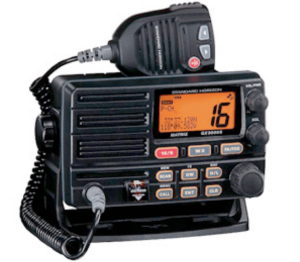
ROC-M is required for individuals who operate marine VHF radios on commercial vessels.
This certification covers:
– Distress, urgency, and safety communications
– Proper VHF radio procedures
– Digital Selective Calling (DSC)
– Legal responsibilities of radio operators
ROC-M is a radio communication certificate and does not replace operational vessel training.
For more information on your ROC-M Marine Radio Course, please contact Lands End Marine Training at LandsEndBC.ca.
Commercial Small Vessel Operators (Captains)
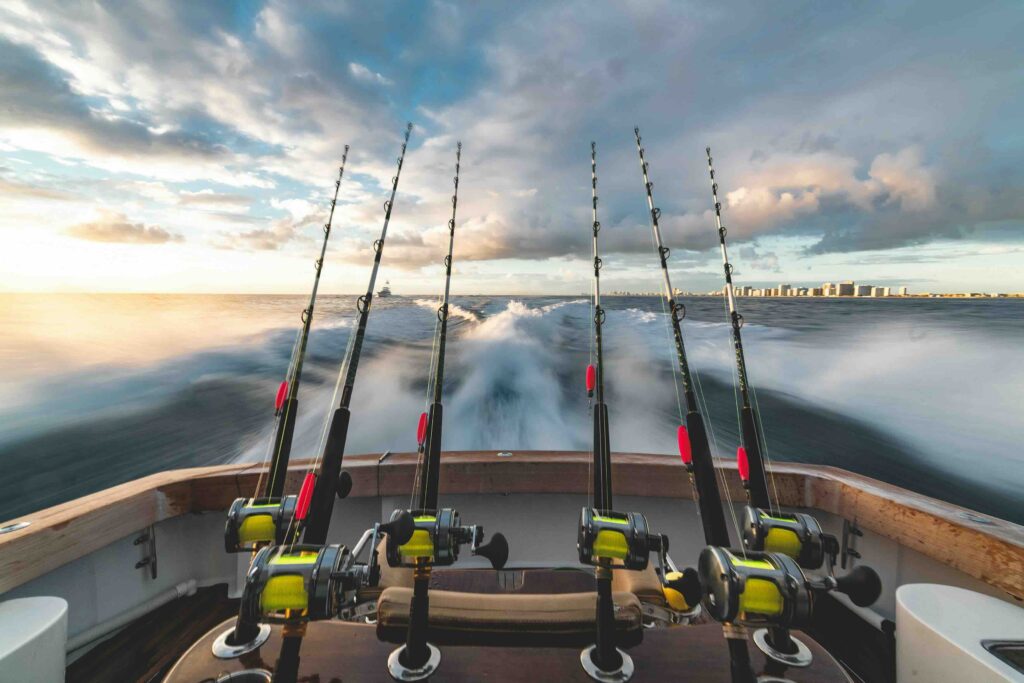
Transport Canada requires Commercial Small Vessel Operators (Captains) to have FOUR certifications to operate a commercial vessel as Master (Captain).
- SVOP (Small Vessel Operator Proficiency)
- SDV-BS (Small Non-Pleasure Domestic Vessel Safety)
- ROC-M Radio (Marine VHF course)
- 2-Day First Aid
The Small Vessel Operator Proficiency course (SVOP) alone is NOT enough to meet the TC requirements as Master.
Advanced vs Recreational Boating Training
Recreational boating licences (Pleasure Craft Operator Card) are not valid for commercial use. Advanced marine certifications are mandatory for professional operations and regulated activities.
Final Takeaway
If you operate a vessel as part of your job in Canada, advanced marine training is not optional. SVOP, SDV-BS, and ROC-M ensure compliance with Canadian marine safety and operational standards.