How to Winterize Your Boat in Canada: The Complete 2026 Checklist
Protect your boat from freezing temperatures, prevent costly repairs, and make sure it’s ready for the next boating season with these essential winterization tips.
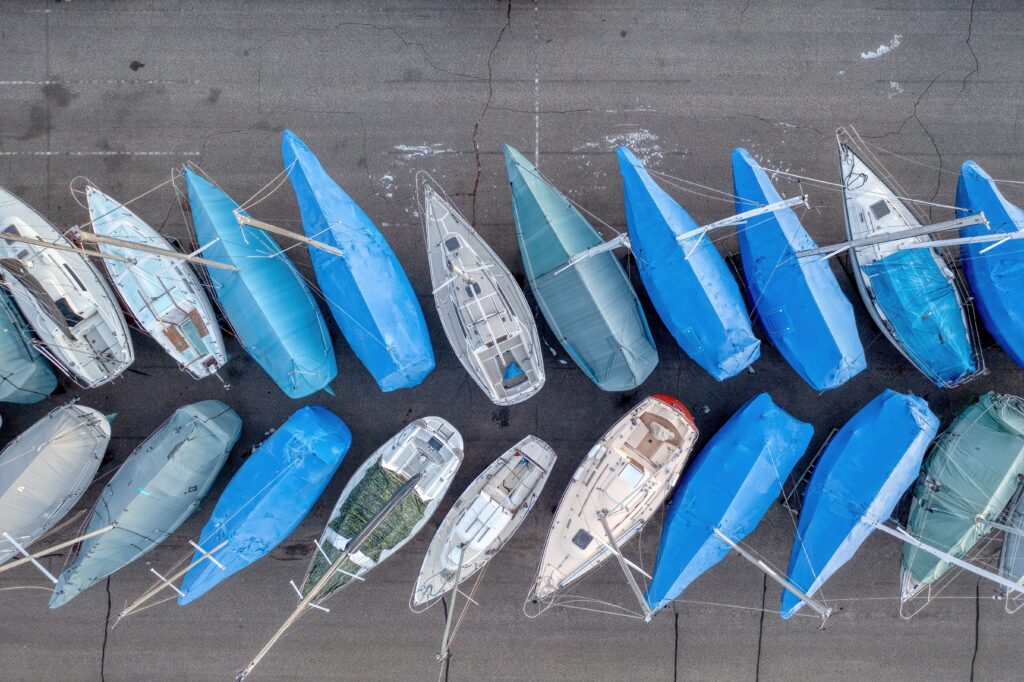
As the 2026 boating season comes to an end across much of Canada, it’s time to start thinking about winterizing your boat.
From Ontario’s freezing lakes to British Columbia’s wet coastal winters, Canadian weather can take a toll on recreational boats. Without proper preparation, freezing temperatures, moisture, and months of inactivity can damage your engine, fuel system, batteries, and other important components.
The good news? A little preventative maintenance now can save you from expensive repairs and unexpected problems when boating season returns.
Whether you own a fishing boat, pontoon, bowrider, or cabin cruiser, here’s your complete 2026 boat winterization checklist to help protect your investment.
1. Clean and Inspect Your Boat Thoroughly
Before putting your boat away for the winter, give it a thorough cleaning inside and out.
Dirt, salt, algae, and moisture left behind during storage can lead to corrosion, mould, mildew, and deterioration.
Your cleaning checklist:
- Wash the hull and deck using a marine-safe cleaning product.
- Remove algae, dirt, and other buildup.
- Inspect the hull for cracks, scratches, or damage.
- Clean and dry seats, cushions, and storage compartments.
- Remove food, garbage, and personal belongings.
- Check for leaks, loose fittings, and signs of wear.
If you’ve been boating in saltwater, pay particular attention to rinsing exposed components with fresh water.
Winterization Tip: Allow the boat to dry completely before covering it. Trapped moisture can lead to mould and mildew over the winter.
2. Prepare Your Boat’s Engine for Winter
Your engine is one of the most expensive components of your boat, making proper winterization especially important.
Water left inside an engine’s cooling system can freeze, expand, and cause serious damage, including cracked engine blocks and damaged hoses.
The winterization process varies depending on whether you have an outboard, inboard, or sterndrive engine.
General engine winterization checklist: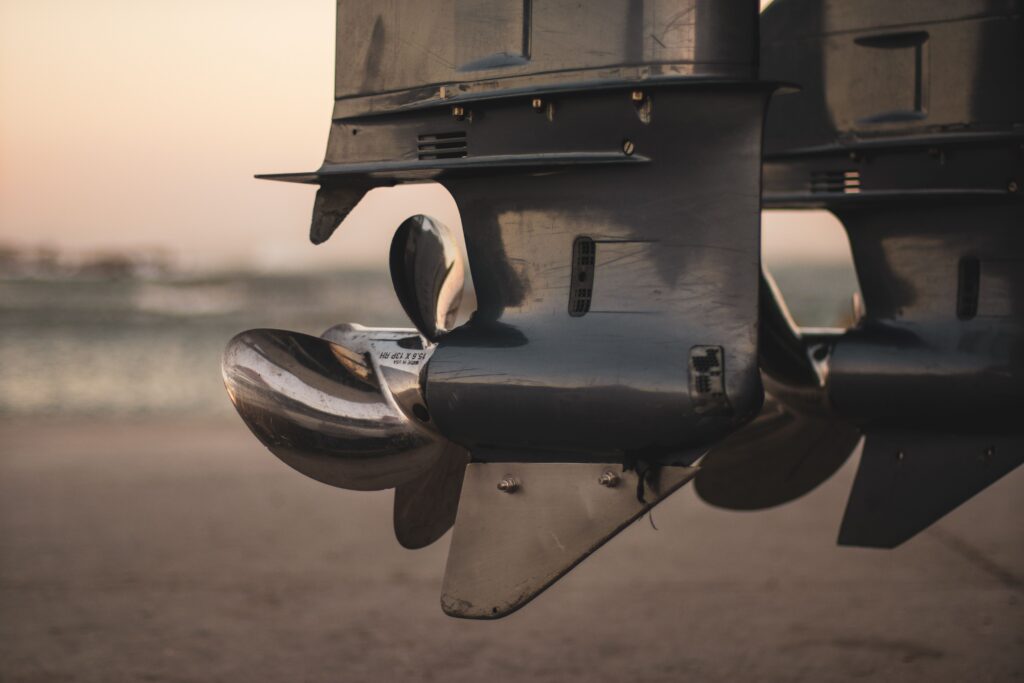
- Change engine oil and filters as recommended.
- Flush the cooling system according to the manufacturer’s instructions.
- Drain water from components vulnerable to freezing.
- Use the correct marine antifreeze where required.
- Inspect hoses, belts, clamps, and connections.
- Lubricate appropriate moving parts.
- Protect internal engine components against corrosion as directed by the manufacturer.
Some engines require fogging oil, while others have specific electronic or manufacturer-prescribed storage procedures.
Winterization Tip: Always consult your engine owner’s manual. Incorrect winterization procedures can cause damage, and a qualified marine mechanic is recommended if you’re unsure.
3. Stabilize Your Boat’s Fuel System
Fuel can deteriorate during extended storage, potentially causing starting difficulties and engine performance problems in the spring.
Fuel treatment and storage recommendations depend on the engine, fuel type, and tank design.
Fuel system checklist:
- Add a manufacturer-approved fuel stabilizer when recommended.
- Follow the product instructions for proper mixing and circulation.
- Inspect fuel lines and connections for leaks or damage.
- Replace fuel filters if required.
- Follow the engine manufacturer’s guidance on appropriate fuel levels during storage.
Avoid assuming every boat should be stored with a completely full or empty fuel tank. Different fuel systems may require different approaches.
Winterization Tip: Treating the fuel system before extended storage can help reduce fuel-related problems when you’re ready to launch again.
4. Drain Water Systems and Protect Against Freezing
Any water left inside your boat’s plumbing systems can freeze and expand when temperatures drop.
This can damage pipes, pumps, water tanks, and other equipment.
Water system checklist:
- Drain freshwater tanks and plumbing lines.
- Empty onboard sinks, showers, and water heaters.
- Drain livewells, washdown systems, and other water-containing equipment.
- Pump out and prepare marine toilets and holding tanks where applicable.
- Drain and clean the bilge.
- Protect pumps and plumbing using the appropriate non-toxic marine antifreeze where required.
Use products specifically approved for the system being protected. Engine coolant and potable-water-system antifreeze are not necessarily interchangeable.
Winterization Tip: Even boats stored in relatively mild coastal regions can experience freezing temperatures. Don’t overlook water trapped in hoses, pumps, or fittings.
5. Disconnect and Maintain Your Boat’s Battery
Cold temperatures and long periods of inactivity can affect battery performance and lifespan.
Proper battery maintenance helps ensure your electrical system is ready when spring arrives.
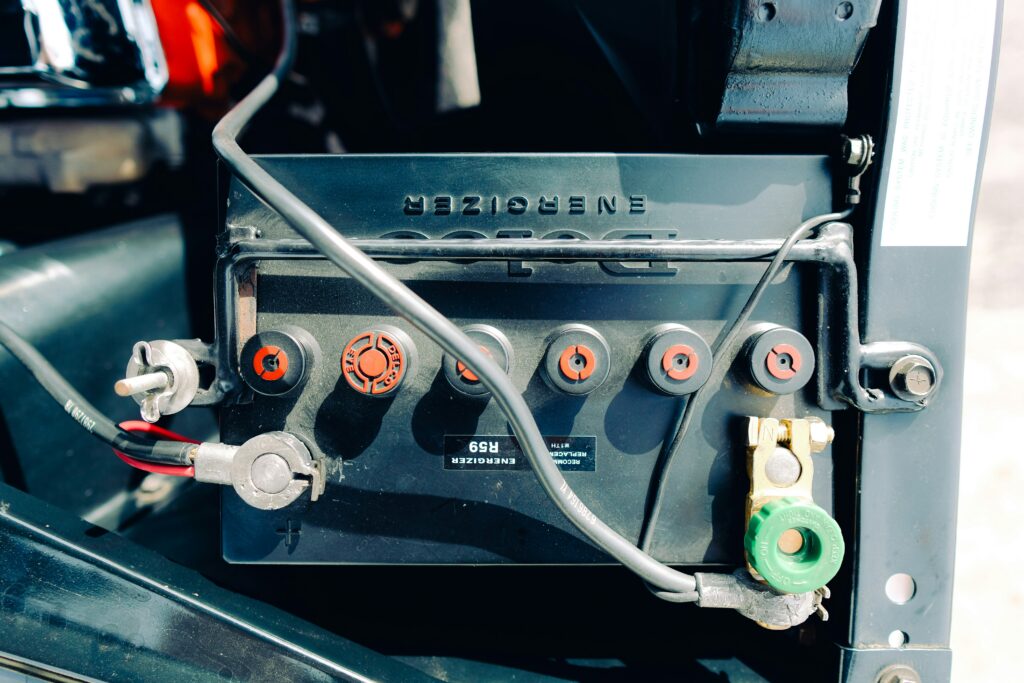
Battery checklist:
- Fully charge the battery before storage.
- Inspect terminals for corrosion.
- Clean connections as needed.
- Disconnect or remove the battery when appropriate.
- Store it in a secure, dry location within the manufacturer’s recommended temperature range.
- Use a compatible battery maintainer if recommended.
- Check battery condition periodically throughout the winter.
Different battery types, including lithium and lead-acid batteries, may have different storage requirements.
Winterization Tip: If your boat remains in the water, ensure essential systems such as automatic bilge pumps continue to have reliable power. Do not disconnect batteries needed for critical onboard equipment.
6. Protect Your Boat With Proper Winter Storage
Choosing the right storage method can make a major difference in how well your boat handles Canadian winter conditions.
Common winter storage options include:
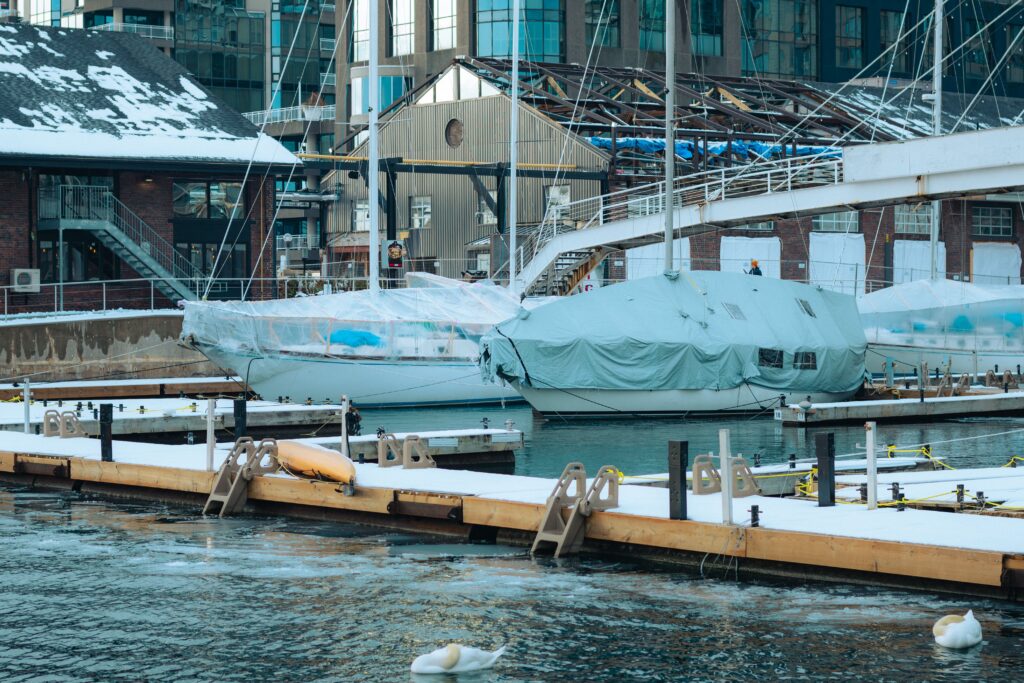
Indoor storage: Provides protection from snow, rain, ice, and prolonged exposure to the elements.
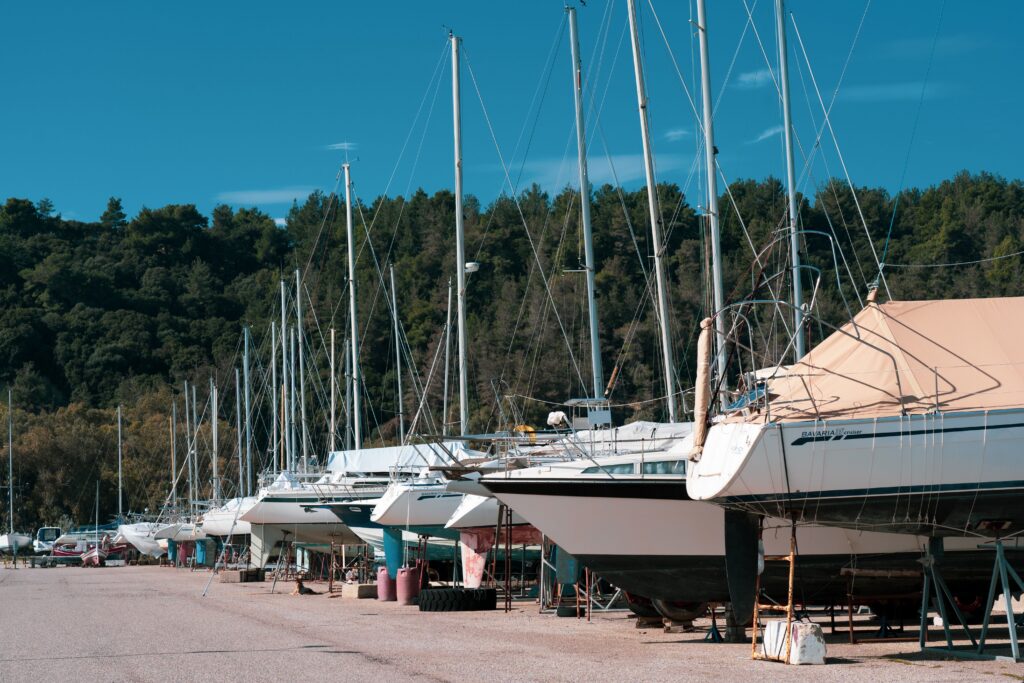
Outdoor covered storage: A properly fitted marine cover or professionally installed shrink wrap helps protect against weather-related damage.
In-water storage: Common in some coastal regions, but requires additional monitoring, freeze protection, and maintenance.
Regardless of your storage method:
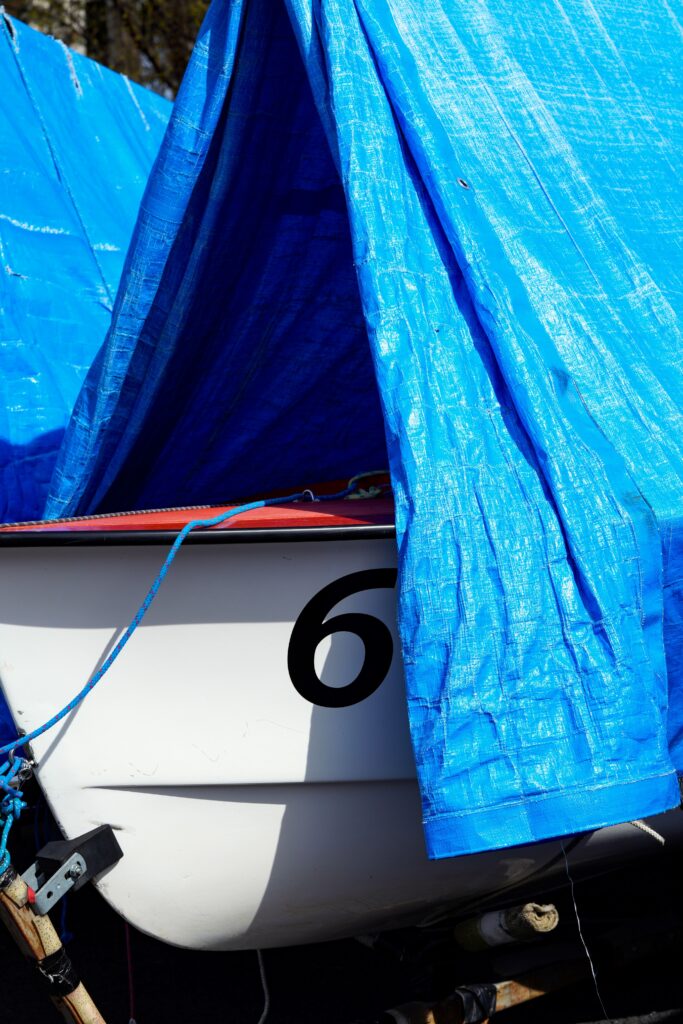
- Use a properly fitted, weather-resistant cover.
- Provide adequate ventilation to reduce condensation.
- Support covers to prevent snow and water accumulation.
- Secure the boat against strong winds.
- Inspect the boat periodically throughout the winter.
- Follow marina or storage-facility requirements.
Winterization Tip: A poorly ventilated cover can trap moisture, while an unsupported cover may collect heavy snow or rainwater.
7. Don’t Forget Your Boat Trailer
If your boat is stored on a trailer, the trailer needs winter maintenance too.
After months of exposure to water, road debris, and changing temperatures, trailer components may require attention.
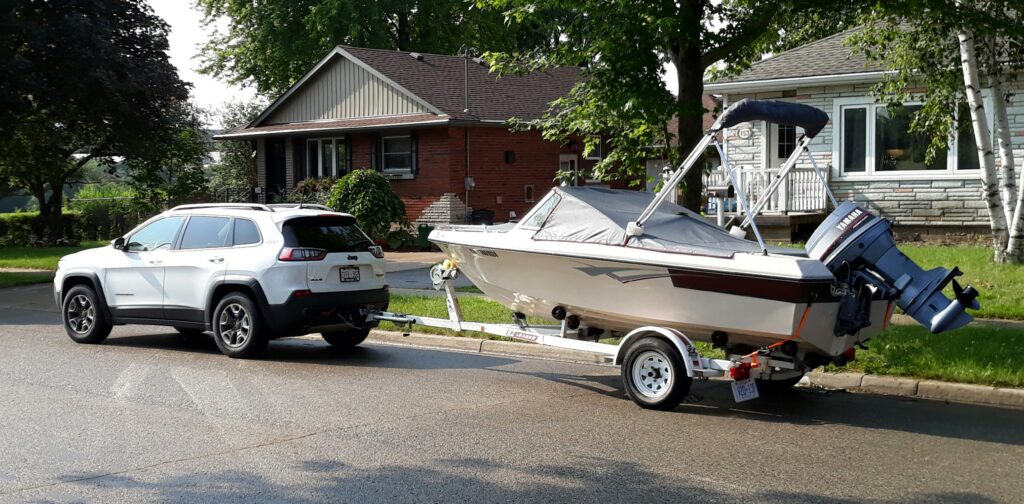
Trailer checklist:
- Inspect tires for damage and proper inflation.
- Check wheel bearings and lubricate as required.
- Inspect brakes, lights, and electrical connections.
- Look for rust or corrosion on the trailer frame.
- Check the winch, straps, and safety chains.
- Secure the trailer against theft.
- Follow manufacturer recommendations for long-term storage and tire support.
Winterization Tip: Proper trailer maintenance can help prevent unexpected problems when it’s time to transport your boat back to the water.
8. Check and Store Your Boating Safety Equipment
Winter is an excellent opportunity to inspect your boating safety equipment and replace anything that’s damaged, missing, or expired.
Safety equipment checklist:
- Inspect lifejackets and personal flotation devices (PFDs).
- Check fire extinguishers and their service requirements.
- Inspect required emergency signalling devices.
- Test flashlights and replace batteries.
- Check marine VHF radios and communication equipment.
- Review first-aid supplies.
- Inspect ropes, anchors, and other safety equipment.
- Replace damaged or deteriorated equipment.
For Canadian boaters, Transport Canada’s Safe Boating Guide provides information about required safety equipment based on vessel type and size.
Winterization Tip: Store removable safety equipment in a clean, dry location and keep a list of anything that needs replacing before spring.
Complete 2026 Boat Winterization Checklist
Before putting your boat into storage, use this quick checklist to make sure you haven’t missed anything.
Cleaning & Inspection
Wash and dry the hull and deck
Inspect for damage and leaks
Remove personal items and food
Clean and dry interior compartments
Engine & Fuel
Change oil and filters as required
Flush and winterize the cooling system
Protect vulnerable engine components
Stabilize fuel where recommended
Inspect fuel lines and connections
Water & Electrical Systems
Drain freshwater and plumbing systems
Winterize pumps, tanks, and toilets
Clean and drain the bilge
Charge and maintain batteries
Protect essential electrical systems
Storage & Trailer
Select a suitable winter storage location
Install and secure the boat cover
Ensure proper ventilation
Inspect trailer tires and bearings
Check the boat periodically during storage
Safety Equipment
Inspect lifejackets and PFDs
Check fire extinguishers
Inspect emergency signalling equipment
Check first-aid supplies
Replace damaged or expired equipment
When Should You Winterize Your Boat in Canada?
The ideal time to winterize your boat depends on where you live and when you plan to stop boating.
In provinces such as Ontario, Quebec, Manitoba, Saskatchewan, and Alberta, freezing temperatures can arrive early in the fall. Boat owners should plan winterization well before the first hard freeze.
In British Columbia and parts of Atlantic Canada, milder coastal conditions may allow boating later into the year. However, freezing temperatures and winter storms can still cause significant damage.
The best rule is simple: Winterize your boat before freezing temperatures arrive, rather than waiting until the first snowfall.
If you’re planning to continue boating throughout the winter, make sure your boat and equipment are suitable for the conditions and that vulnerable systems are protected.
Get Your Boat Ready for Spring 2027
Winterizing your boat is one of the best ways to protect your investment and avoid unnecessary repairs when boating season returns.
By cleaning your vessel, preparing the engine, protecting water systems, maintaining batteries, and choosing appropriate storage, you’ll be in a much better position to enjoy a smooth start to the 2027 boating season.
And while your boat is stored away for the winter, it’s also a great time to refresh your boating safety knowledge.
Have Friends or Family that Need their Canadian Boating Licence
At CanadaBoatSafety.com, we offer a Transport Canada–accredited online boating safety course that helps Canadians obtain their Pleasure Craft Operator Card (PCOC).